Room to move
The anonymous metch collective.
A collection also needs the piece you reach for between the moments you planned to remember.
Between destinations
The time between destinations is a large part of travelling. Waiting, sitting down, getting up again, finding something in a pocket and deciding where to go next all belong to the journey. Those ordinary movements matter to the way we think about a wardrobe. A collection made only for its most photographed moments would leave out much of a person's life. The Black signature joggers give that everyday part of the metch world a place of its own. Their character begins with a recognisable silhouette and the details that make that silhouette feel complete from more than one view.
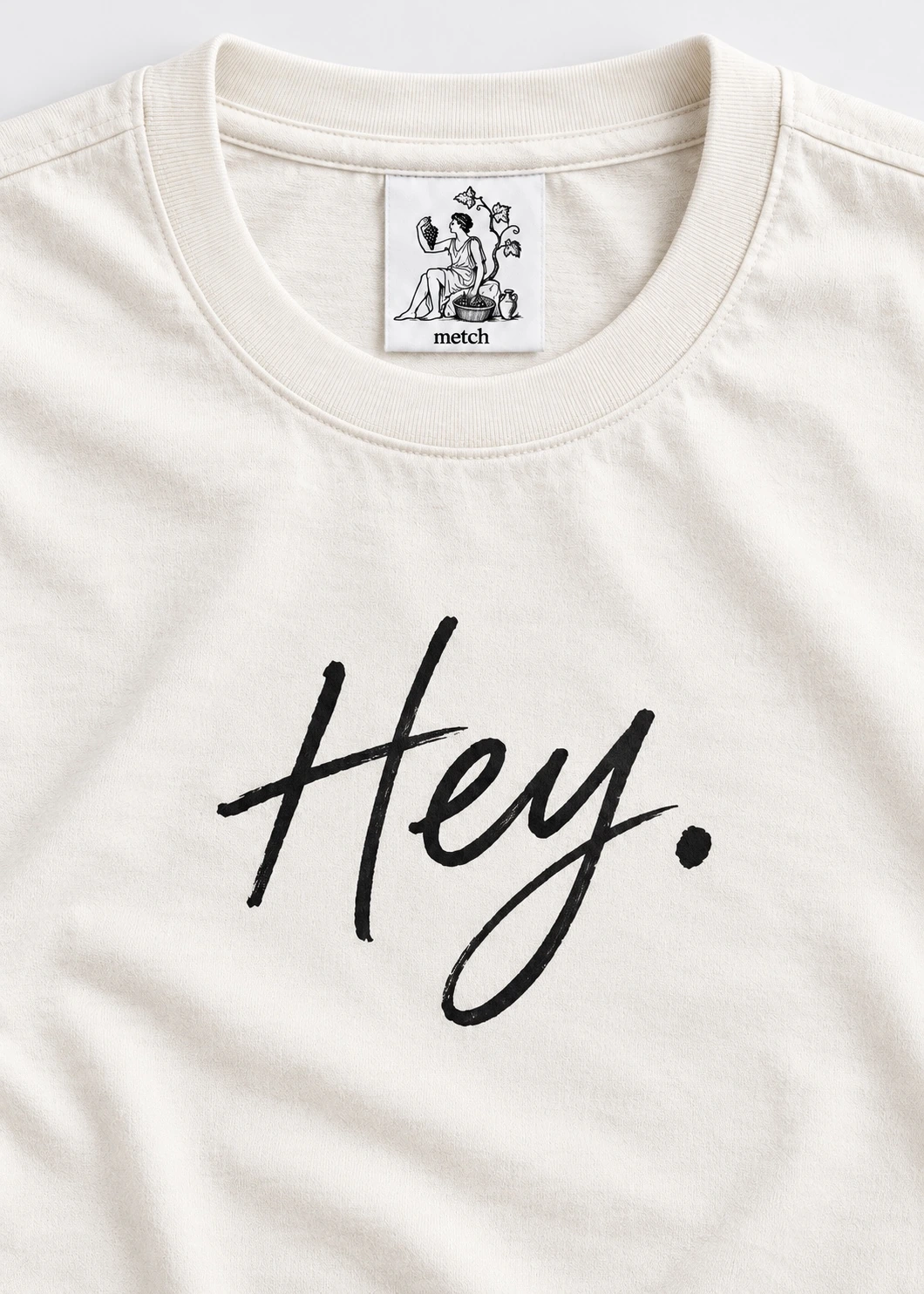
We think about movement as something a shape has to make room for visually. The waist gathers the top of the garment. The legs lead the eye down towards the cuffed ankles. The pockets interrupt the surface in ways that belong to everyday use. These are ordinary elements, but ordinary elements can still have a specific relationship to one another. We want the joggers to sit naturally beside the tees and Harvest without becoming an afterthought to them. They carry the same interest in signatures, private details and the space a person brings to a piece.
Black within black
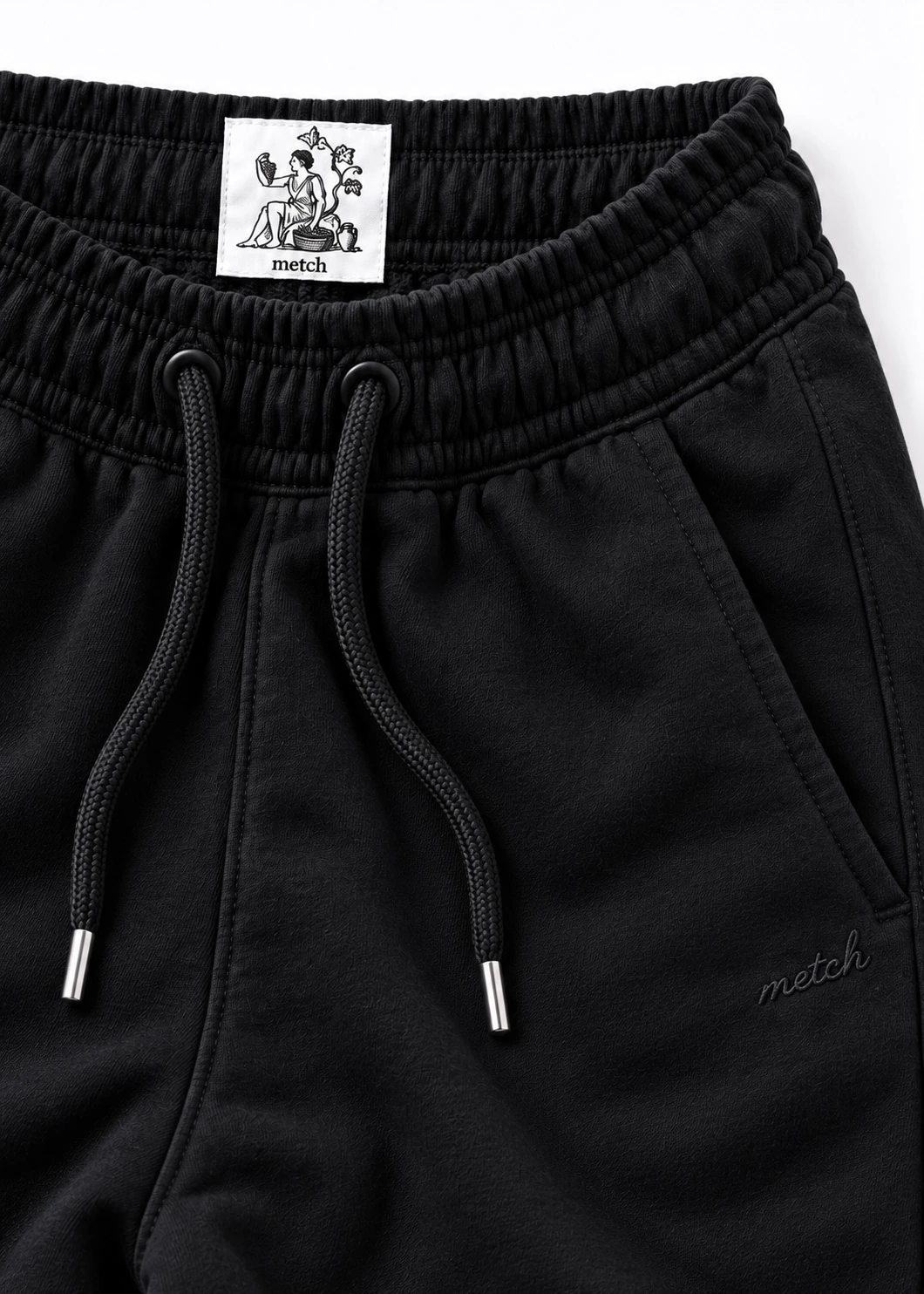
The metch signature is tonal. That choice lets the mark remain within the black rather than establishing a separate block of colour. From one distance, the overall form leads. Closer, the signature begins to appear. We are drawn to that quieter change in attention. A mark does not always need contrast to belong to a garment. Sometimes its place is discovered through a difference inside one colour. The joggers share that approach with the more restrained parts of the collection, while the drawstring and the gathered waist give the upper part of the piece a character of its own.
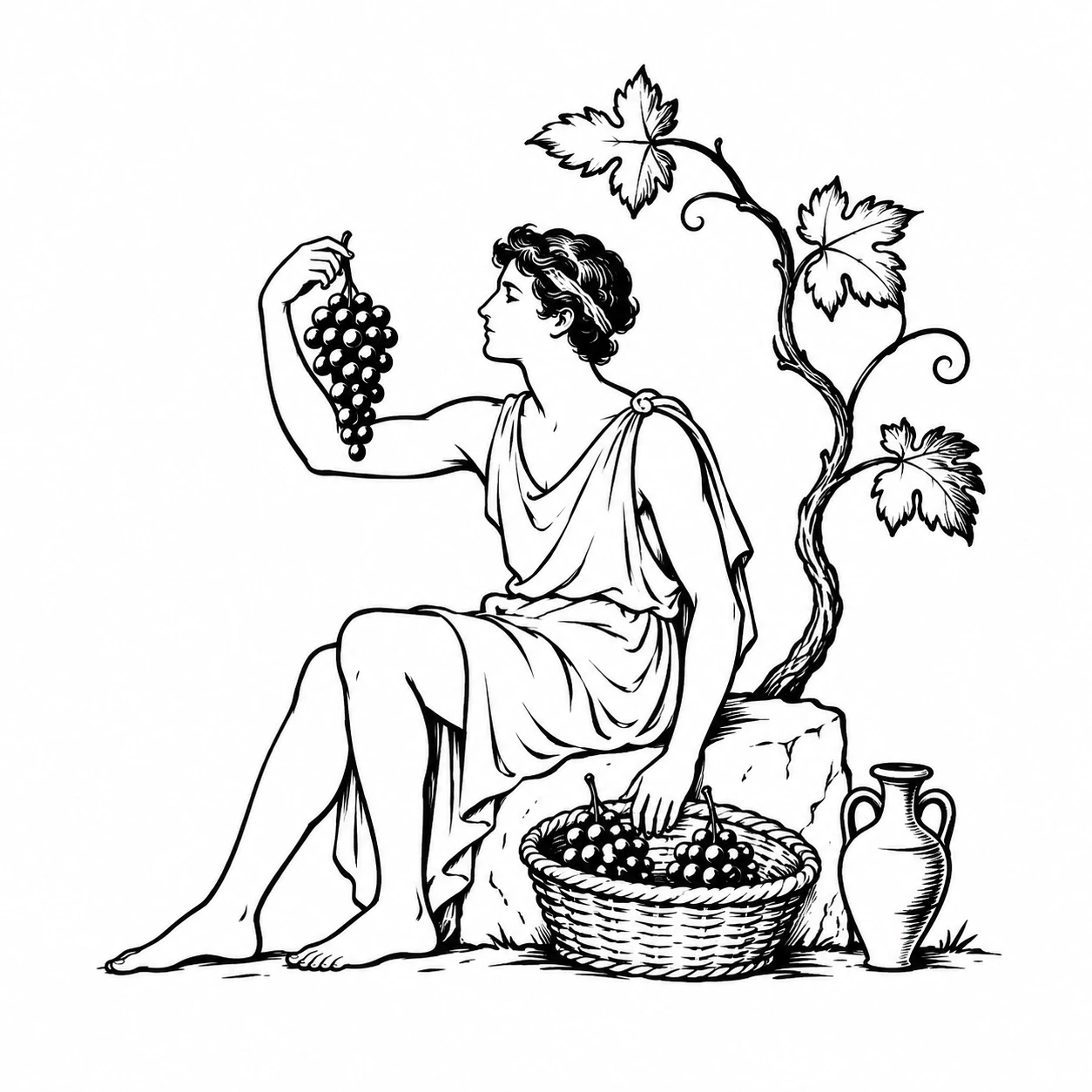
There are side pockets and a patch pocket on the back. The back view matters because the person wearing a garment does not live permanently facing a camera. We want the design to acknowledge that complete life around the piece. Inside the waistband, the harvest label places the collective's image where the wearer encounters it directly. It connects the joggers to the rest of the collection without asking the outside to repeat every motif. The little world on the label can stay private. The outline and the tonal signature can carry the first impression.
A place in the day
The questions we bring to a piece like this concern its place in a whole wardrobe. Does the signature have the right degree of presence beside the other garments? How do the waist and the ankle shape the way we read the leg? What makes the reverse feel considered when the clearest details are at the front? Those questions keep the familiar shape worth looking at. Its meaning comes from the visible choices and the everyday experience they refer to. A familiar shape can reward careful attention.
For us, these joggers belong to the part of a day that continues after the plan has changed. They can gather the associations you bring to waiting rooms, train journeys, familiar streets or time spent at home. The design does not need to assign a dramatic event to those moments for them to matter. Our collective stays anonymous so the garment can enter your life without making you carry an artist's public identity along with it. There is room for your own habits and memories here. That is the kind of presence we want an everyday piece to have.